Cheapest Zen 2 vs. Ryzen 5 2600 vs.
In Australia, you’ve got the option to only purchase the 3500X in a pre-built PC.
Which still begs the question, how well does it perfom and what’s changed from the R5 3600?
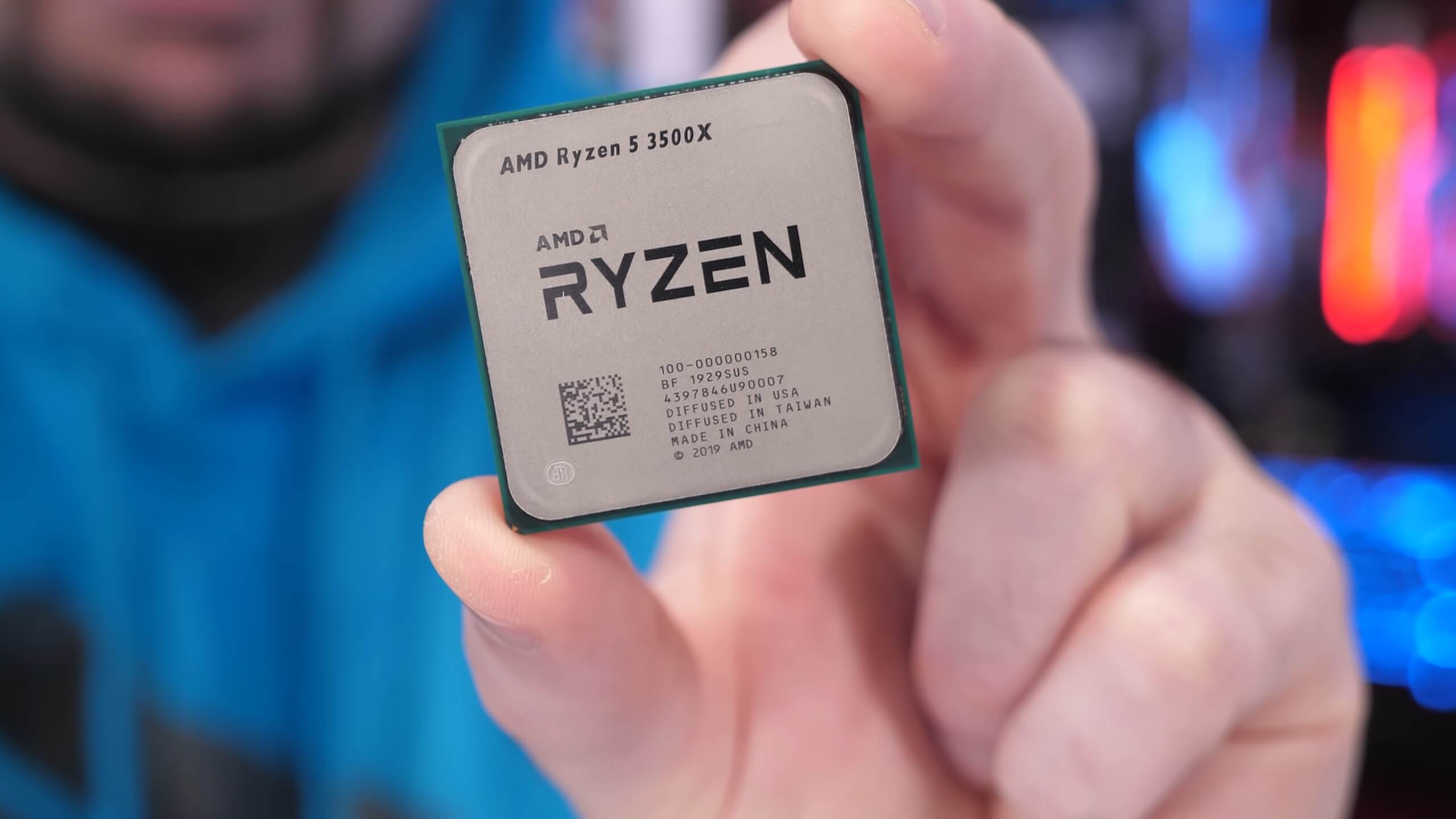
We’ve also heard they’re only being sold in large volumes, so 1,000+ chips.
Is dropping SMT support for a ~30% discount from theR5 3600worth it?
(in Australia, again, this will vary on your location).
For testing we have the usual battery of gaming and productivity benchmarks.
Let’s get into the results.
Benchmarks
First up we have theCinebench R20multi-core results and here the 3500X doesn’t look great.
It is 6% slower than the R5 2600 and a whopping 27% slower than the R5 3600.
Naturally, for those running wanting to run core-heavy applications, the 3500X might not be the best fit.
This time it was 36% slower than the 3600 and 25% slower than the 2600.
Things look even worse when running the Corona benchmark, much worse in fact.
The removal of SMT support means the 3500X loses quite a bit of its power efficiency.
As a reminder, we’re using a high-end RTX 2080 Ti for testing.
Here the 3500X is comparable to the Core i5-9400F along with the first and second-gen Ryzen 5 parts.
Performance from the mid-range to top end is pretty similar under these more GPU limited test conditions.
Battlefield V is an example where 6 threads or even 8 threads are becoming insufficient.
The situation doesn’t change at 1440p, rather things just get worse for the 6-core processor.
It’s only able to match the 2600X and 9400F, but overall quite a good result.
Overall performance was the same and not a great deal better than the 2nd-gen Ryzen.
Performance overall was comparable to the Ryzen 5 2600, at least when testing at 1080p.
Is It Worth It?
That’s all the blue bar graphs we have for you (almost!
For fellow Aussies, it’s about 30% cheaper.
Couple the better performance with the lower price and you have an obvious winner.
But since theRyzen 5 2600 exists, that’s the obvious choice here.
In the absence of first or second-gen Ryzen parts with more threads, would the 3500X worth buying?
As a 6-core/6-thread processor, the 9400F probably isn’t the wisest investment either.
