The race to develop solid-state batteries is driven by their thermal stability and energy density.
They still rely on liquid electrolytes working in tandem with solid components, resulting in a hybrid semi-solid approach.
The advantage for Stellantis is that Factorial’s cells can potentially be produced on existing fabrication lines.
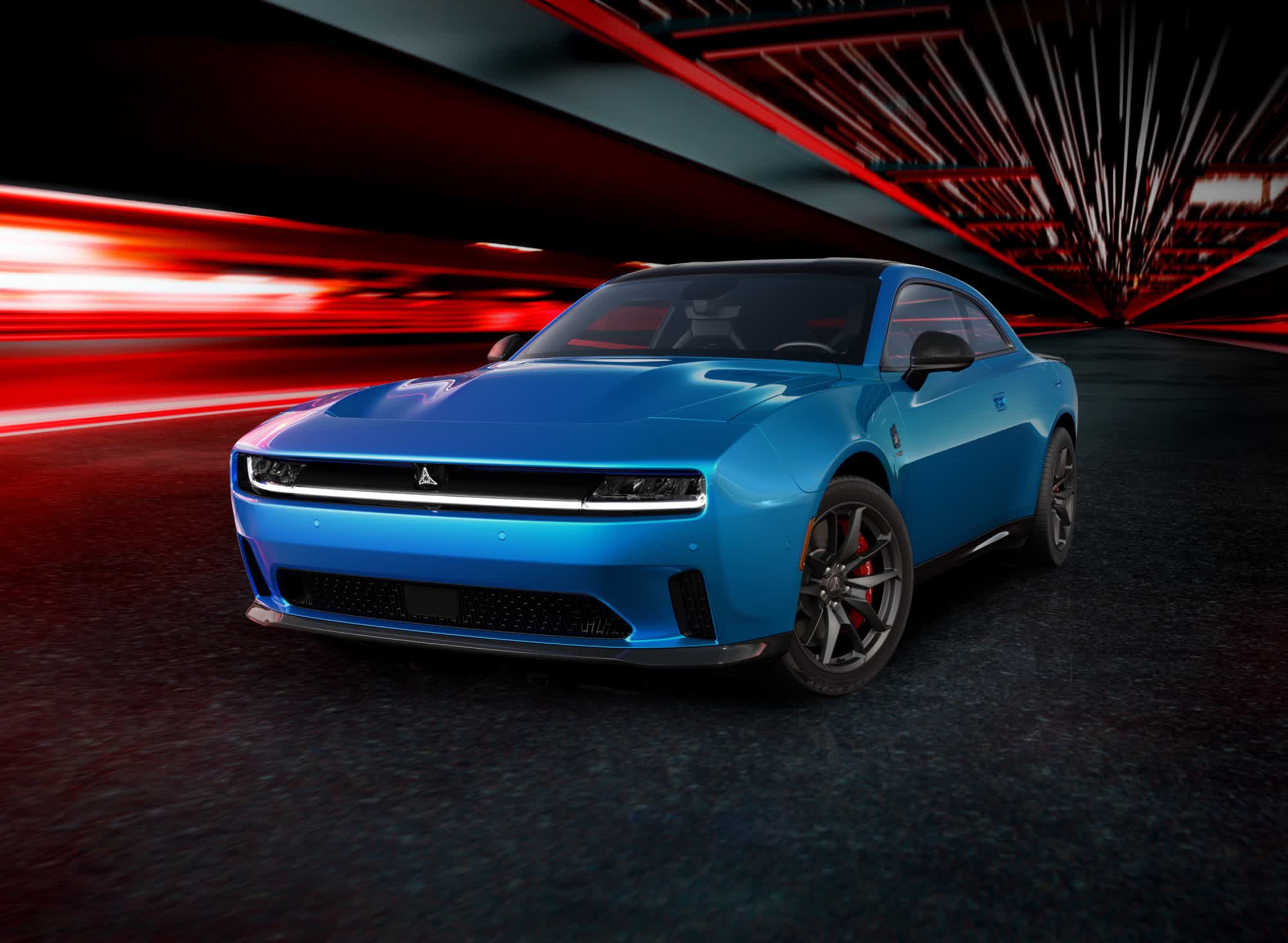
Of course, the real test will come when Stellantis' solid-state Chargers hit the streets.
But if everything comes together, Stellantis could gain a serious competitive edge.
That said, Stellantis isn’t exactly leaving its rivals in the dust just yet.
Additionally, Hyundai and Kia both backers of Factorial are also developing solid-state batteries in collaboration with the company.
