Secondary storage is also non-volatile, meaning that data is stored even without power.
The most commonly used secondary storage devices arehard disk drives and flash memory devices.
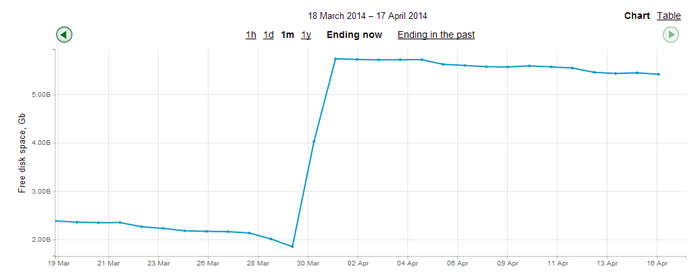
Faulty applications may consume all free disk space when they hang or crash.
Certain viruses, trojans, and internet attacks are based on draining the storage space.
Running out of free disk space can disrupt processes that write data to secondary storage.
These processes may include logging, maintaining a database, installing updates, and so on.
Some of these processes may be critical to the operation of your business.
Low free disk space can also lead to file system fragmentation.
This causes performance issues when pieces of data need to be read from different parts of the disk.
it’s possible for you to also add more secondary storage devices to the system and replace existing ones.
