These chiplets are then interconnected using cutting-edge packaging technologies.
But that’s not all disaggregated GPU designs also offer increased flexibility, customization, and modularity.
Manufacturers could mix and match different chiplets to create specialized GPU configurations optimized for various workloads or market segments.
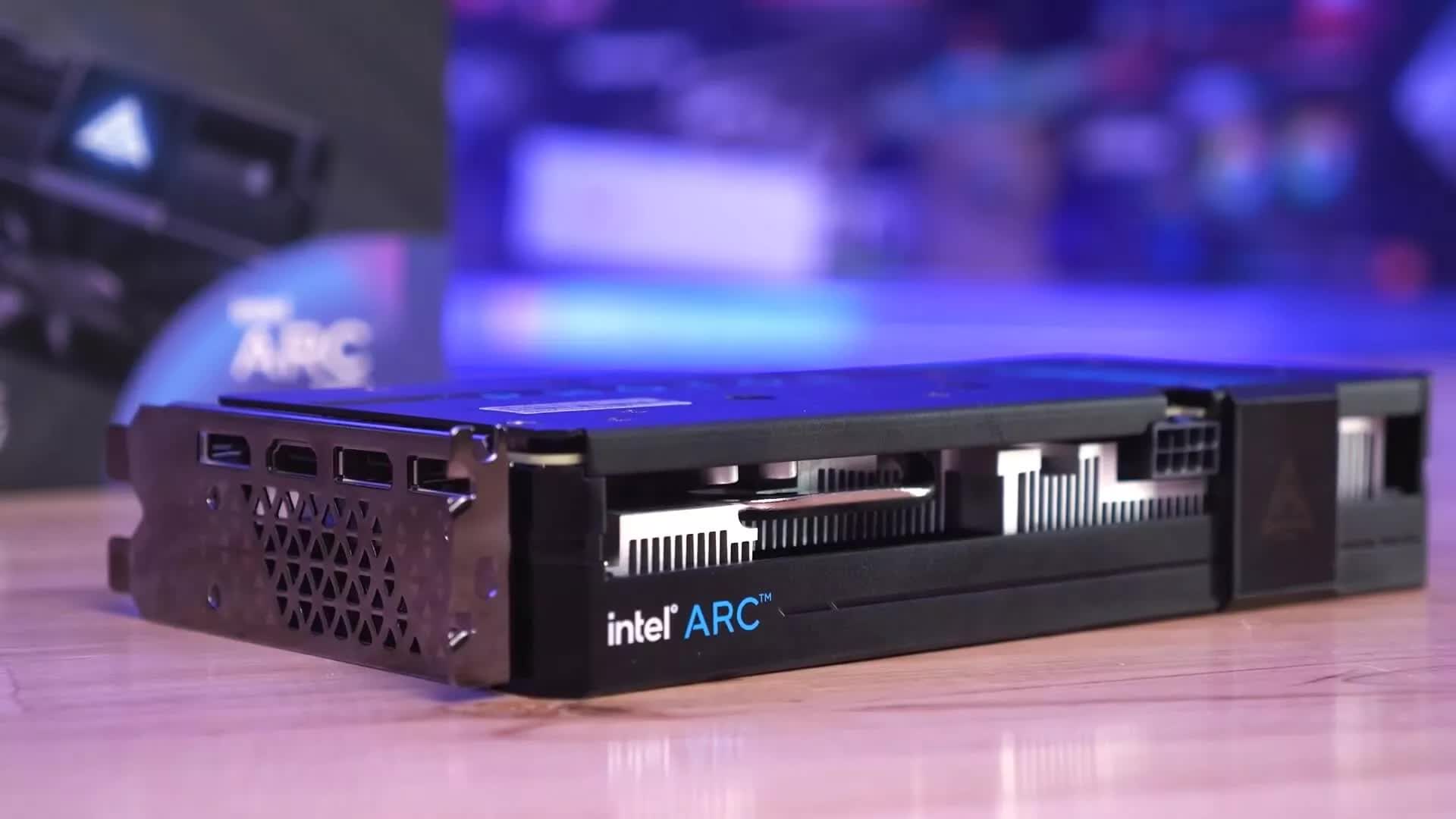
Of course, Intel isn’t the only one eyeing this innovative GPU design strategy.
Primary rival AMD has also filed patents related to chiplet-based GPU architectures in the past.
Either way, it’s getting increasingly clear that all three companies are eyeing such architecture.
AMD’s latestInstinct MI300series AI GPUs already offer a dual chiplet-based design, as do several of Nvidia’sserver offerings.
However, we have yet to see a true chiplet-based GPU hit the consumer market.
Making the leap from monolithic to disaggregated GPU designs is no small feat, though.
