Its outer edge extends from 10,000 to an astonishing 100,000 AU away.
This distant region consists of leftover planetesimals from the early Solar System.
Until now, scientists knew the Oort Cloud existed but had little understanding of its shape.
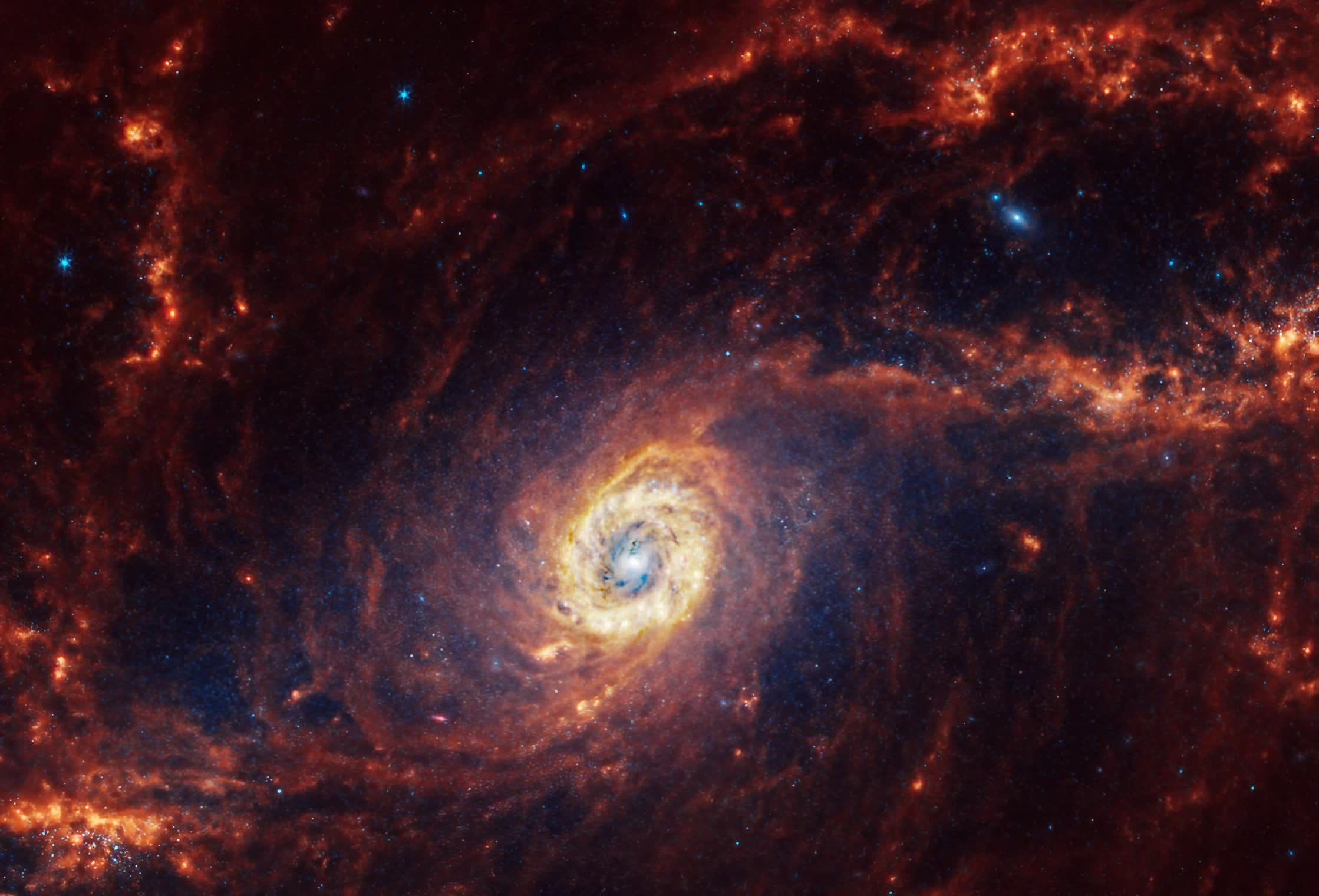
The researchers explored a phenomenon known as the “galactic tide” to arrive at this possibility.
But in the Oort Cloud, the galactic tide becomes a dominant factor.
Meanwhile, the gravitational pull from our own Solar System’s planets appears to have minimal impact.
Capturing an image to confirm this structure poses a significant challenge.
One approach would involve tracking a large number of Oort Cloud objects over time.
Another would be detecting their faint collective light while filtering out other radiation sources.
Unfortunately, neither method currently has dedicated funding.
Perhaps it’s time for that to change?
Masthead credit:NASA
