Imagine quickly printing a custom part for your bike or even medical equipment while on the go.
When the light hits the resin, it rapidly solidifies into a user-defined 3D shape.
This beam-steering capability is what enables the 3D printing magic.
The equipment features 160 optical antennas, all fitting within a US quarter-sized footprint.
However, the visible light wavelengths required for this technology initially posed a challenge.
Researchers at UT Austin addressed this by developing specialty resins optimized to cure under visible light exposure.
This innovation was the missing link needed to make chip-based 3D printing viable.
The potential applications are staggering from emergency repairs by first responders to printing medical devices on-demand.
MIT Professor Jelena Notarossaidthe system is completely rethinking what a 3D printer is.
Further details about the research can be found in a paperpublishedin the journal Nature.
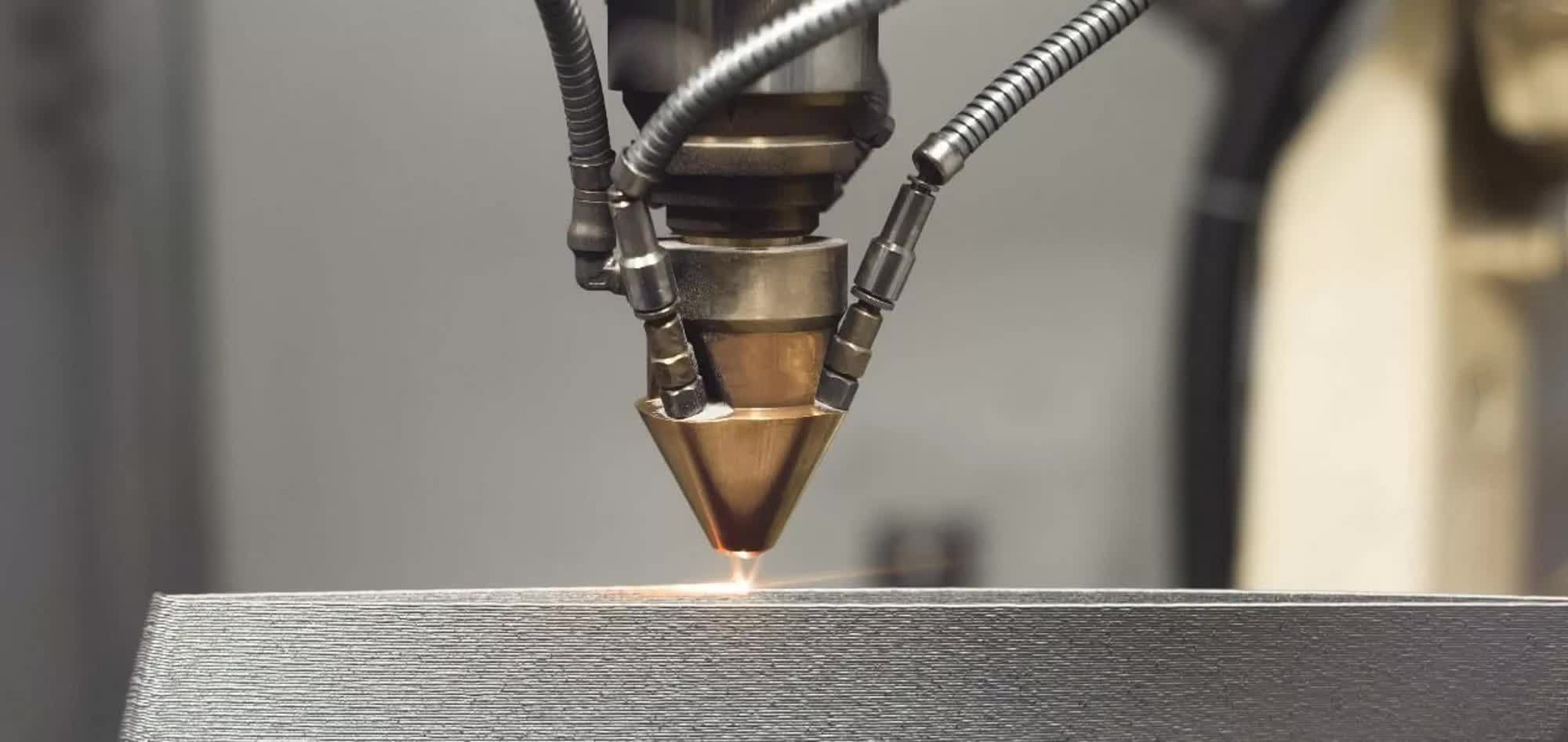
At the other end of the 3D printing spectrum is another rig unveiled in April.
