They’re very easy to get started with as they are mostly plug and play.
Water cooling systems whether they are acustom loop or an AIO all follow the same basic principles.
Tighten the screws down until they get a little snug.
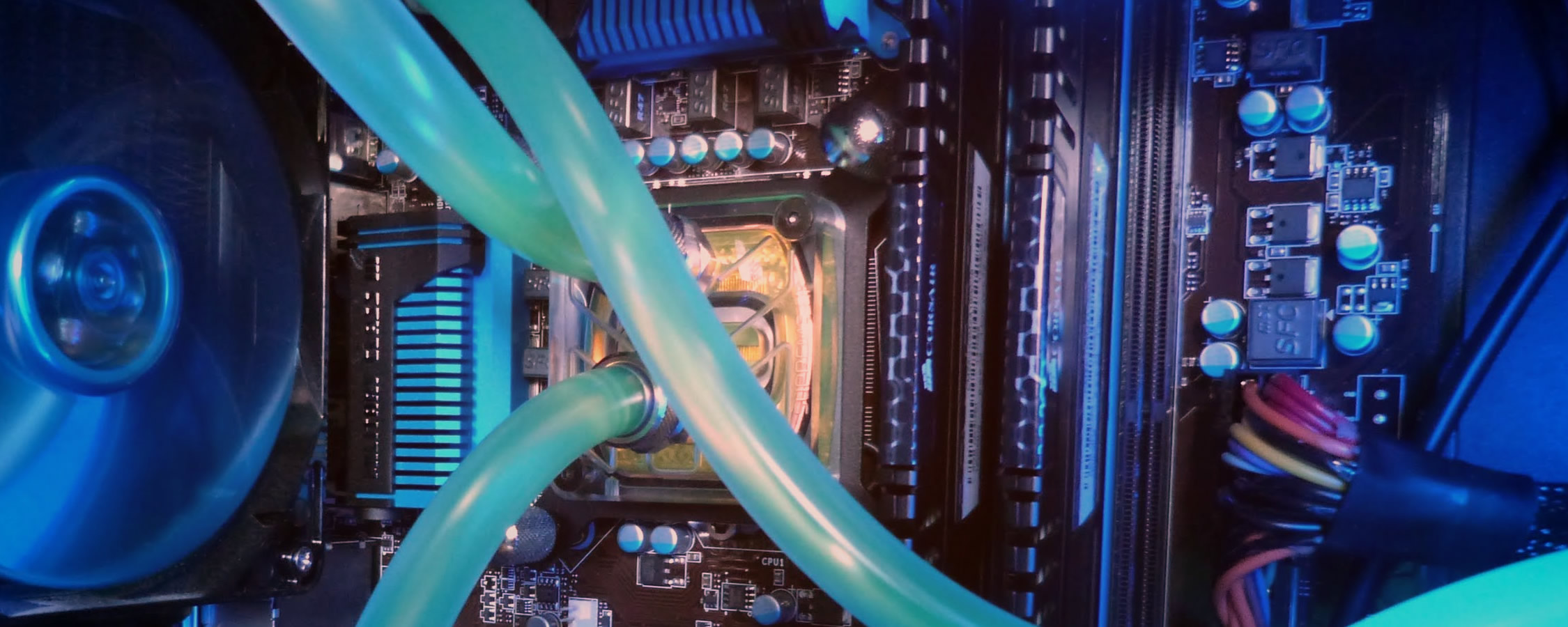
Don’t:Force the screws to tighten to the point they will no longer move.
You just want the lines to keep their shape while bending so as to not impede water flow.
Do:Mount the radiator so its airflow is not impeded by other devices in the machine.
One of the best spots on a machine is the top of the case.
Do:verify the fans are pushing the hot air either up or to the side of the radiator.
Do:Tighten the mounting screws snugly enough so the radiator cannot move to alleviate potential vibrating/noise.
Don’t:Bend the tubes much.
The harder the bend, the more likely it is to kink.
Even with “Kink Resistant” tubing, it’s still possible that bent tubes will reduce water flow.
Don’t:Mount the radiator too close to other devices.
Don’t:Have the radiator push its air down.
This goes against the laws of physics and can cause the radiator to stalemate air.
Don’t:Overtighten the screws when mounting it.
In practice the results are almost the same using any of these methods.
Don’t:Mount the fans pushing air down.
you might check around what others have achieved with similar setups to get a general idea.
Image courtesy:Bit-tech
Do:Test your setup before proceeding to your normal computer routine.
Don’t:Immediately return to your normal computing routine or overclock without first confirming functionality.
