Here’s the story behind it
Fed up by the frequent trips to an empty coffee pot, computer scientists at the University of Cambridge devised a solution in 1991: the first-ever webcam.
The team, working in the university’s Computer Laboratory, needed a way to keep an eye on the communal coffee pot, which was located in the “Trojan Room” a central space in the lab.
Researchers across multiple floors often found themselves walking to the room only to discover that the coffee had run out.
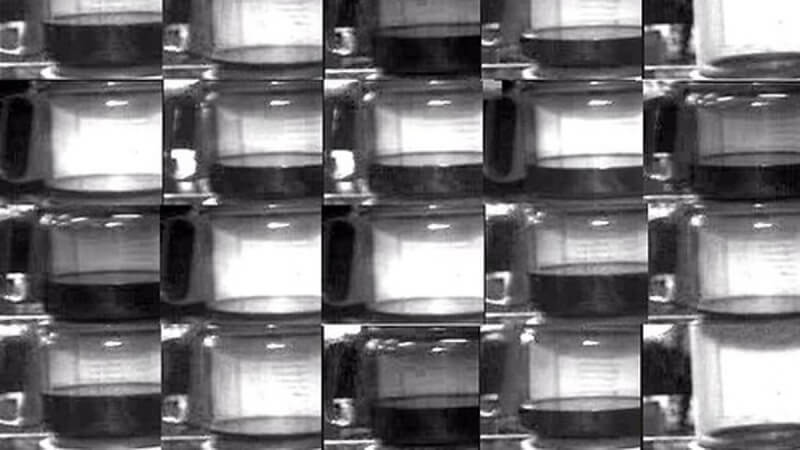
To solve this, they set up a simple camera aimed directly at the pot, allowing them to check the coffee levels remotely from their desks.
This early webcam transmitted a 128x128-pixel grayscale image of the coffee pot, updating at a modest rate of one frame per second just enough to see if it was time for a refill.
Then in November 1993, the coffee pot camerawas connected to the Internet, marking a pioneering moment in the history of live-streaming.
This simple yet innovative project became an unexpected sensation as people across the globe tuned in to witness the mundane but oddly fascinating routine of coffee consumption.
At a time when the World Wide Web was still in its infancy, the “Trojan Room coffee pot” cam garnered media attention, with publications and radio stations reporting on the peculiar phenomenon of checking the coffee pot status online.
For many early Internet users, it offered a glimpse of the new possibilities that digital connectivity could offer allowing real-time interaction with physical spaces from anywhere in the world.
The webcam remained in operation until August 22, 2001, when, at 09:54 UTC, it was officially switched off.
Fittingly, the camera’s final image was of a hand reaching for the server’s power switch, bringing an end to this quirky chapter of Internet history.
The camera had been online for nearly a decade, making it one of the earliest examples of a long-running internet live stream.
Beyond its novelty, the Trojan Room coffee pot webcam is still remembered as one of the earliest experiments in what would later become commonplace: live-streaming, smart appliances, and the Internet of Things (sort of).
