A recently published studydescribesan ancient black hole that eats matter far faster than previously thought possible.
The discovery could offer a clue as to how supermassive black holes formed in the early universe.
At about 7.2 million times the Sun’s mass, it’s considered a relatively low-mass black hole.
Researchers believe LID-568 likely gained much of its mass during a single rapid gorging event.
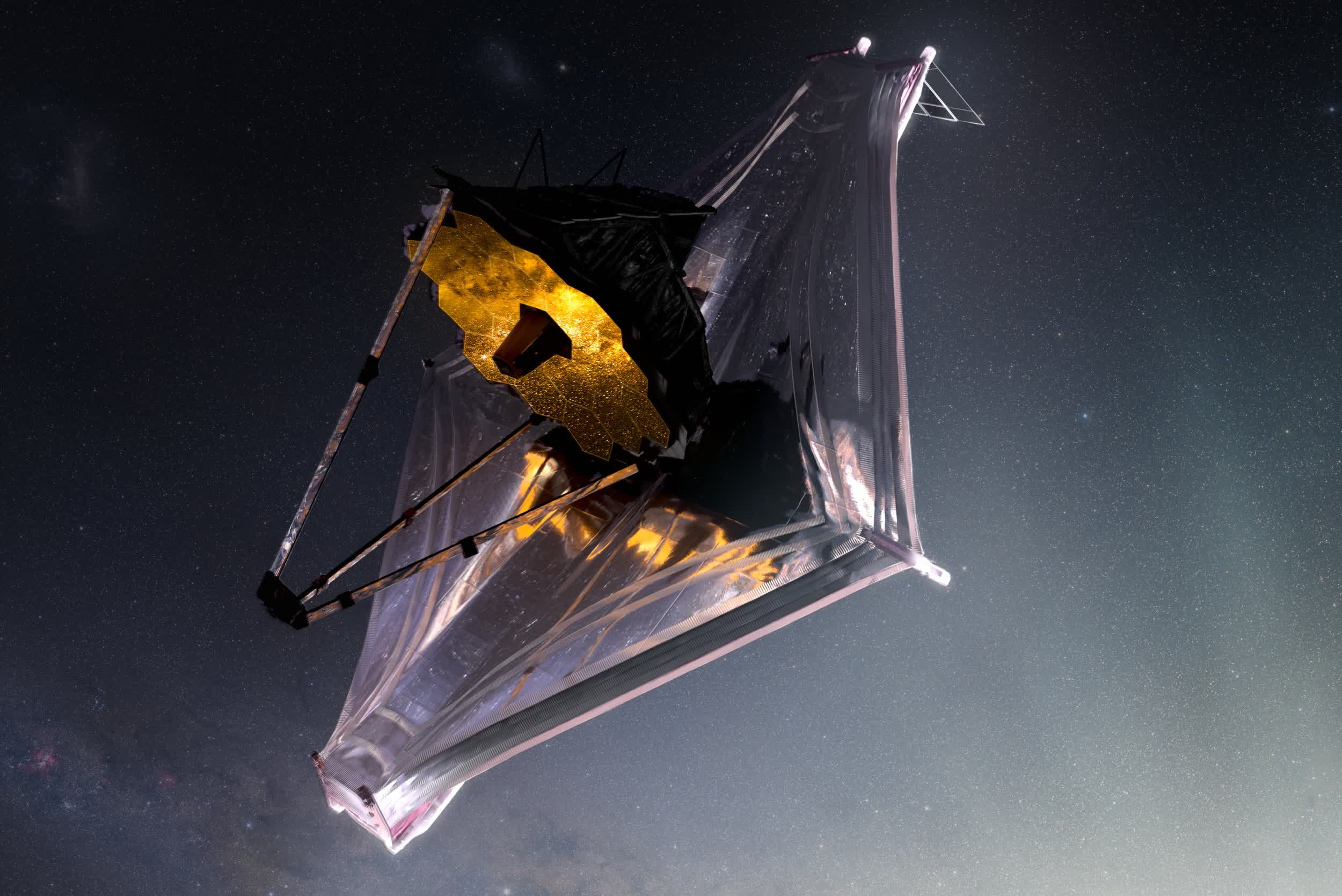
One example, JADES-GS-z14-0,surprisedastronomers when the James Webb telescope detected it earlier this year.
It displayed surprisingly active and mature star formation only around 300 million years after the Big Bang.
